Cart
0
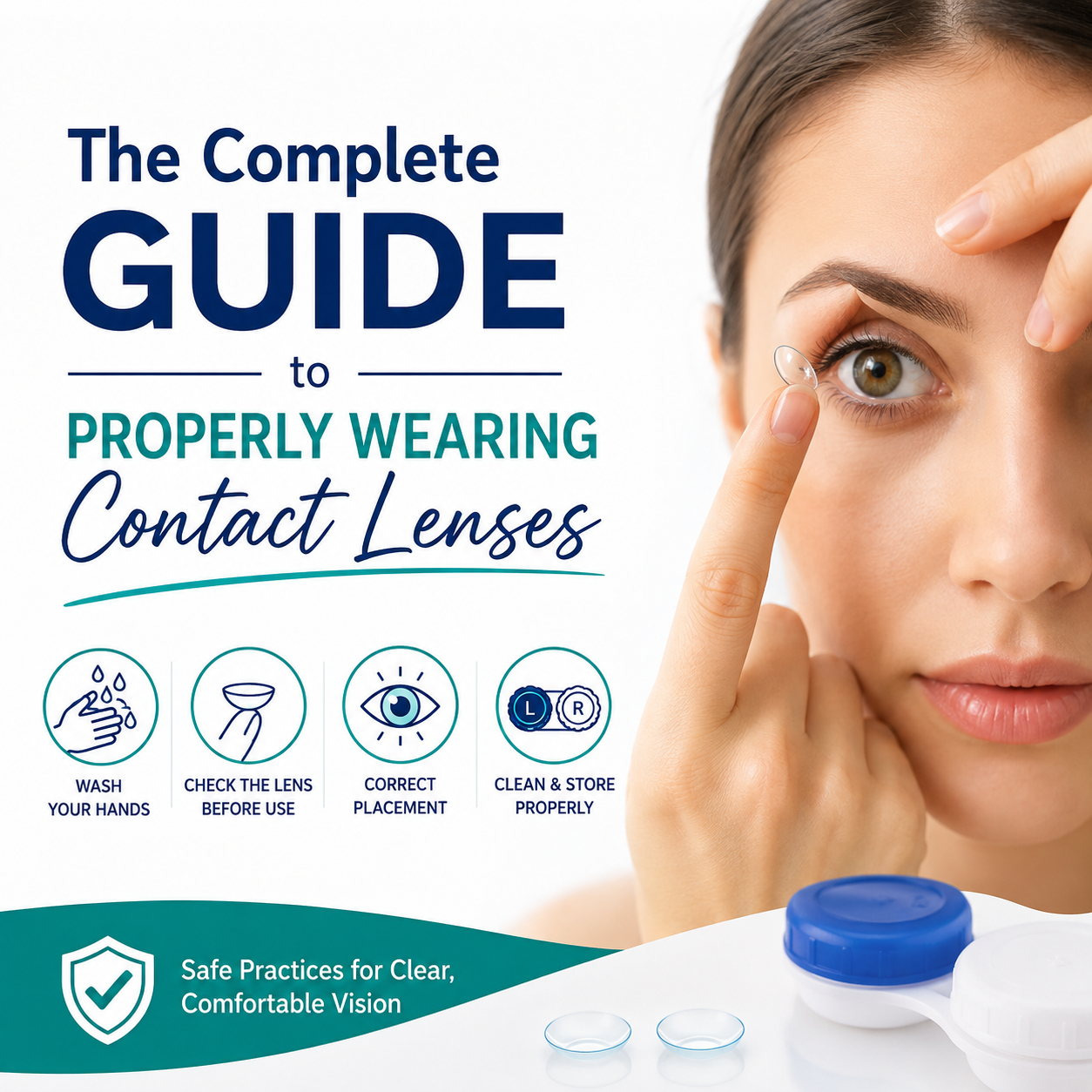
Colored contact lenses are one of the easiest ways to change your entire look without any permanent commitment. But unlike a new lipstick shade or a pair of earrings, contact lenses sit directly on your eyes, so getting the basics right matters. Wearing them the wrong way, even by accident, can lead to irritation, infection, or damage that a bit of care could have prevented.
This guide walks through everything you need to know before, during, and after wearing your Aura Lens contacts, from washing your hands to storing your lenses properly between uses.
Why Proper Contact Lens Care Actually Matters
Your eyes are one of the most sensitive parts of your body. A contact lens creates direct contact between an outside surface and your cornea for hours at a time. If that lens is dirty, damaged, worn for too long, or handled with unwashed hands, bacteria and debris can get trapped underneath it. Over time, this can lead to redness, dryness, blurred vision, or in more serious cases, an eye infection.
None of this is meant to scare you away from wearing colored contacts. Millions of people wear them safely every day. The difference between a good experience and a bad one usually comes down to a handful of simple habits.
Before You Begin: Hygiene Basics
Good contact lens hygiene starts before the lens ever touches your eye.
Wash your hands properly. Use soap and water, and dry your hands with a clean, lint-free towel. Avoid moisturizing soaps or hand creams right before handling your lenses, since residue can transfer onto the lens surface and cause irritation.
Check the lens before inserting it. Place the lens on the tip of your finger and inspect it under good light. It should be clear, smooth, and free of tears, folds, or debris. If it looks damaged in any way, do not wear it.
Keep your nails short and your workspace clean. Long or sharp nails increase the risk of accidentally scratching your eye or tearing the lens. Working over a clean, dry surface also reduces the chance of dropping and contaminating a lens.
How to Insert Contact Lenses Step by Step
- Wash and dry your hands thoroughly.
- Remove the lens from its packaging or case using your fingertip, not your nails.
- Rinse the lens gently with the recommended contact lens solution if needed. Never use tap water.
- Place the lens on the tip of your index finger, making sure it is not inside out. A lens that is inside out will have edges that flare outward slightly instead of curving in like a bowl.
- Using your other hand, gently hold your upper and lower eyelids open.
- Look straight ahead or slightly upward, then gently place the lens onto your eye.
- Slowly release your eyelids and blink a few times to help the lens settle into place.
- Repeat the same process for the other eye.
If the lens feels uncomfortable after insertion, blink a few more times first. If discomfort continues, remove the lens, rinse it, and try again rather than pushing through the irritation.
How to Remove Contact Lenses Safely
- Wash and dry your hands before touching your eyes.
- Look upward and gently pull down your lower eyelid with one hand.
- Using the index finger and thumb of your other hand, gently pinch the lens and slide it downward and off the eye.
- Avoid pinching directly in the center of the lens where it sits over your cornea.
- Place the lens in fresh solution or dispose of it if it is a daily-use lens.
Never force a lens off your eye if it feels stuck. Instead, apply a few lubricating eye drops or a bit of solution to rehydrate it before trying again.
Daily Wear Time: How Long Is Too Long
Most colored contact lenses, including Aura Lens shades, are designed for comfortable daily wear of around 8 to 12 hours. Wearing lenses for longer than recommended reduces the amount of oxygen reaching your cornea and increases the risk of dryness and irritation.
A few habits that help extend comfort throughout the day:
- Take short breaks from your lenses during long days if your eyes start to feel dry.
- Keep lubricating eye drops on hand, especially in air-conditioned rooms or dry weather.
- Never sleep in your lenses unless they are specifically designed and approved for overnight wear.
Cleaning and Storing Your Lenses Correctly
If you are using reusable lenses rather than daily disposables, cleaning and storage are just as important as the lens itself.
Use a proper multi-purpose lens solution, never water, saliva, or homemade saline. Tap water can carry bacteria and parasites that are extremely harmful to the eye and are not filtered out by store-bought solutions.
Clean your lens case regularly. Rinse it with solution, not water, and let it air dry upside down on a clean tissue. Replace your case every one to three months, since bacteria can build up over time even with regular cleaning.
Never top off old solution. Always empty your lens case and refill it with fresh solution each time, rather than adding a small amount to what is already there.
Store lenses fully submerged. A lens that dries out even partially can lose its shape and become uncomfortable or unsafe to wear.
Signs You Should Stop Wearing Your Lenses
Stop wearing your contact lenses and consult an eye care professional if you notice any of the following:
- Persistent redness or irritation that does not improve after removing the lens
- Blurred vision that does not clear up
- Unusual discharge or excessive tearing
- A feeling that something is scratching or stuck under the lens
- Sensitivity to light that is more intense than usual
These symptoms are your eyes telling you something is wrong, and it is always better to remove the lenses and check rather than wait it out.
Choosing the Right Lenses for You
Comfort starts with choosing lenses that suit both your eye color goals and your day-to-day lifestyle. If you want a subtle, everyday enhancement, natural-toned shades in brown, hazel, or grey tend to blend in the most seamlessly. If you are looking for something bolder for an event or a shoot, blues, greens, and dual-tone shades create a more dramatic transformation.
It's also worth thinking about how long you plan to wear the lenses each time you use them. Lighter, single-tone lenses are often the most comfortable for extended daily wear, while more richly pigmented shades are ideal for special occasions where comfort over a full day matters less than the finished look.
Frequently Asked Questions
Can I wear colored contact lenses if I don't need vision correction?
Yes. Aura Lens offers non-prescription lenses purely for color enhancement, as well as prescription options for those who also need vision correction.
Can I sleep while wearing my contact lenses?
No, unless the lenses are specifically approved for overnight wear. Sleeping in standard daily lenses restricts oxygen to the eye and significantly increases the risk of infection.
How often should I replace my lens case?
Every one to three months, even if it still looks clean. Bacteria can build up in ways that aren't visible to the eye.
Is it normal for a new lens to feel slightly different at first?
A mild adjustment period is common, especially the first few times you wear contacts. Ongoing discomfort, however, is not something to push through.
Final Thoughts
Wearing contact lenses safely isn't complicated, but it does require a bit of consistency. Clean hands, a proper solution, a fresh case, and paying attention to how your eyes feel throughout the day will keep your experience comfortable every time you wear your Aura Lens contacts.
Ready to find your shade? Explore the full Aura Lens collection or shop lens care accessories to keep your lenses in the best condition.